
NXP Semiconductors TJA1043 High-Speed CAN Transceivers
Terms and Conditions
Orders Dispatched Within 24 hours - Excluding Weekends and Bank Holidays.


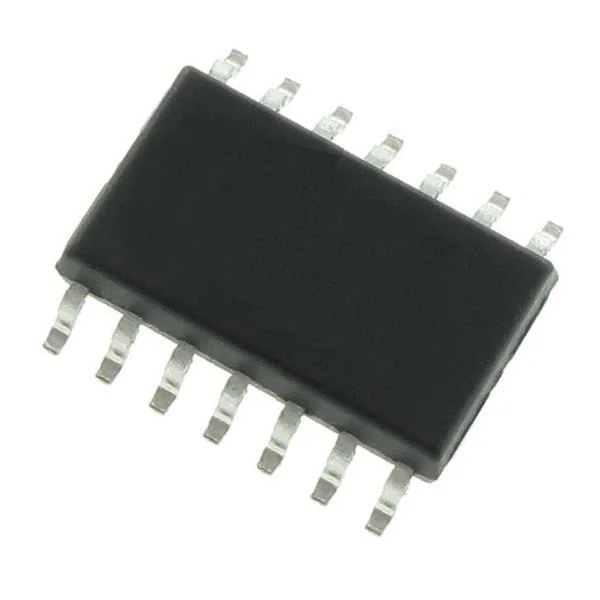
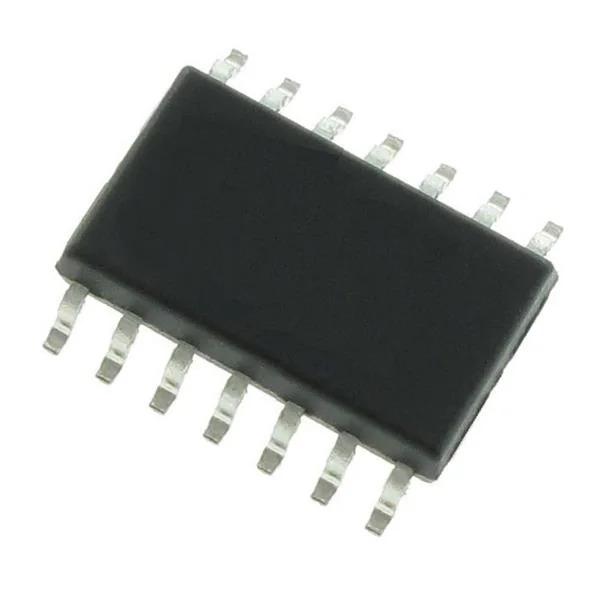
An NXP TJA1043 high speed CAN transceiver. The chip that sits between a microcontroller's CAN pins and the physical bus.
A CAN controller cannot drive a bus on its own. The controller inside a microcontroller produces logic level signals; the bus itself is a differential pair that has to survive a vehicle's electrical environment, including shorts to battery, shorts to ground and the transients that come with switching inductive loads. The transceiver is what converts between the two and what absorbs the abuse.
The TJA1043 is the one to pick for automotive work rather than a generic transceiver. It has the protection features a vehicle needs: bus fault handling, thermal shutdown, and low power modes with wake up over the bus, so a node can sleep without disconnecting from the network and wake when something addresses it.
In EV work this is what you reach for when building your own CAN node: a BMS interface, a telemetry logger, a gateway between a vehicle bus and a pack bus.
Key specifications
| Manufacturer part | NXP TJA1043T/1J |
|---|---|
| Type | High speed CAN transceiver |
| Features | Bus fault protection, thermal shutdown, low power mode with bus wake up |
| Application | Automotive CAN nodes |
| Weight | 0.1 kg |
Features
- Automotive grade protection against bus shorts and transients
- Low power mode with wake up over the bus, so a node can sleep on the network
- Thermal shutdown
- The standard choice for a high speed CAN node in a vehicle
Compatibility
For high speed CAN nodes in automotive and EV applications, alongside a microcontroller with a CAN controller.
The bus needs 120 ohm termination at each end, and only at the ends. A transceiver on an unterminated or over terminated bus produces errors that look like a chip fault and are not.
Check the package and supply voltage against your design. NXP publish the full datasheet for the TJA1043, and we can point you to it.
In the box
- 1 x TJA1043T/1J CAN transceiver
Downloads
No document is published here. NXP publish the TJA1043 datasheet and we can point you to the current version.