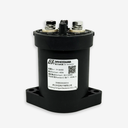
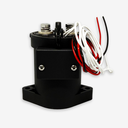
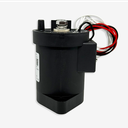
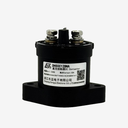
Contactor 400A / 1000V DC Contactor With Integrated Economiser
Terms and Conditions
Orders Dispatched Within 24 hours - Excluding Weekends and Bank Holidays.


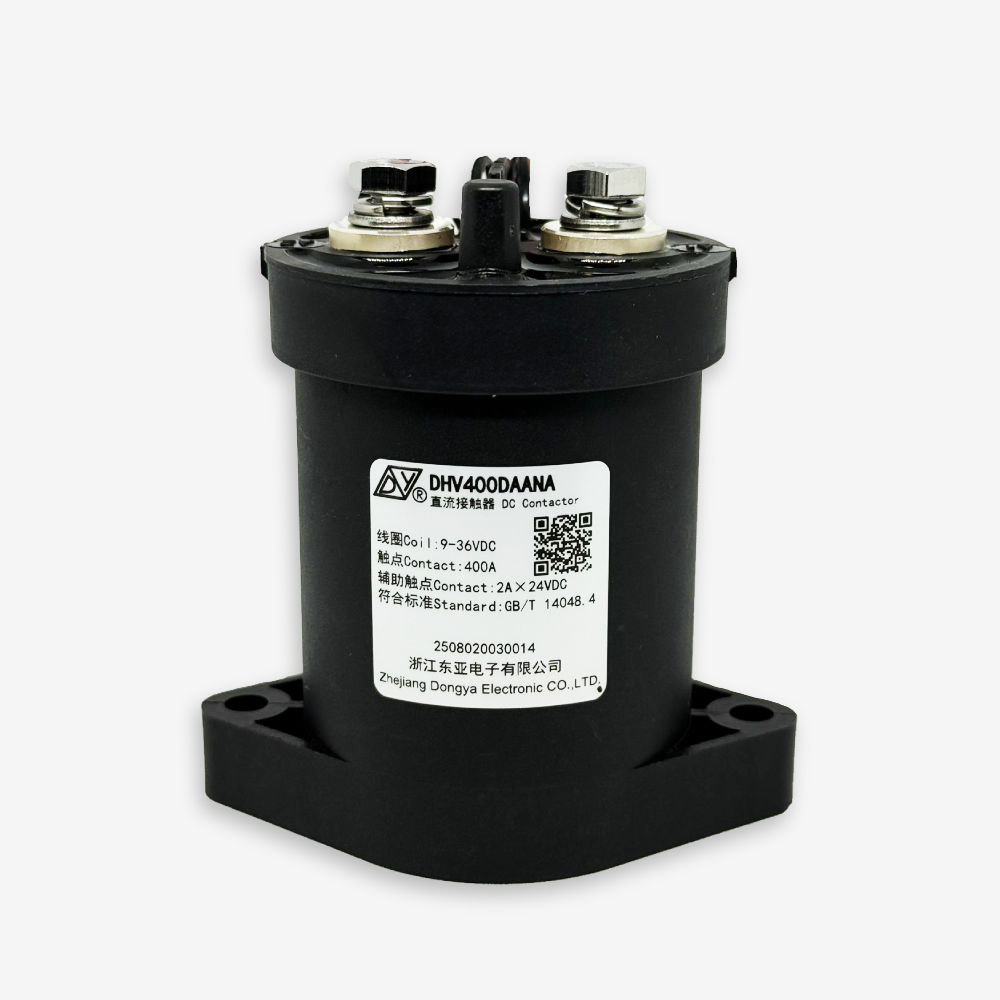
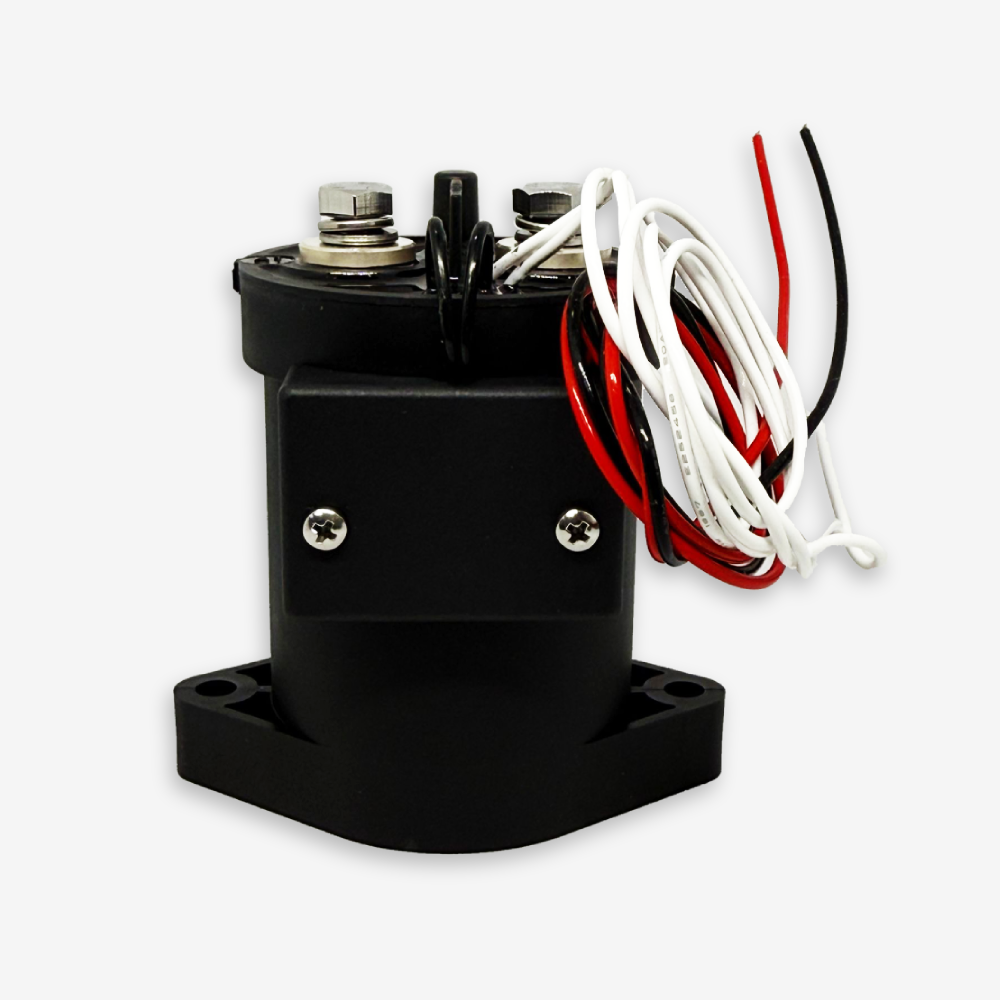
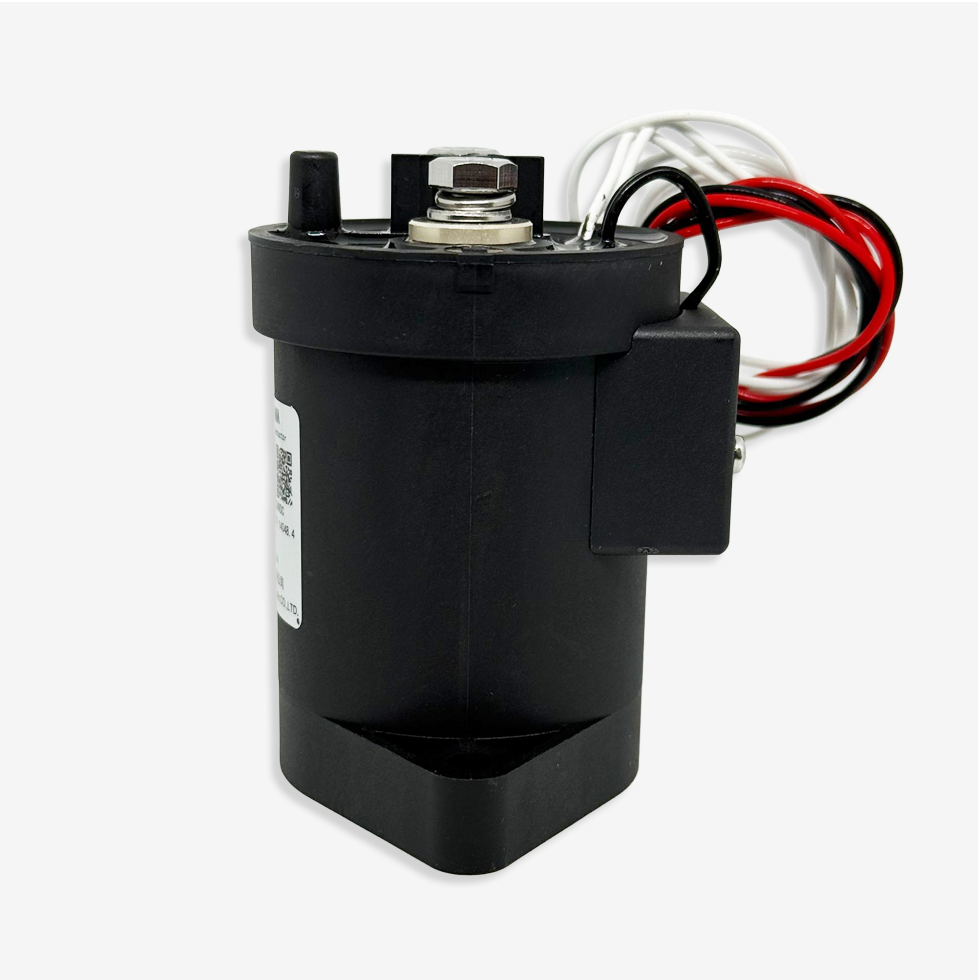
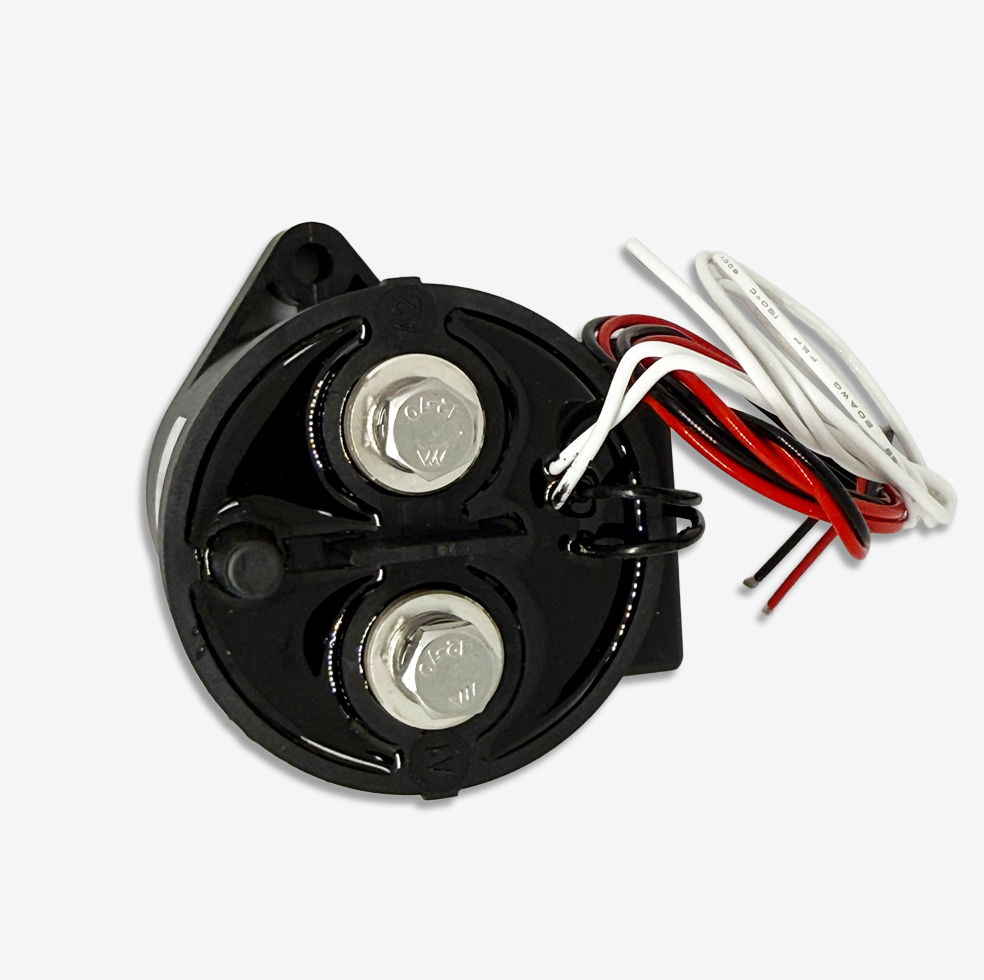
A sealed 400 A DC contactor rated to 1000 V, with non polarised contacts and an integrated economiser that drops the coil to a few watts once it has pulled in. This is the main pack contactor for a high voltage battery.
Non polarised is the specification to check. Most high voltage DC contactors use permanent magnets to blow the arc sideways when the contacts open, which means they only interrupt current flowing one way and have to be wired accordingly. This one does not care. It will break the same current in either direction, which is what you want on a pack that both drives and charges, and it removes a whole class of wiring mistake where a contactor is fitted the wrong way round and then fails the first time it has to open under regenerative current.
The economiser matters for the supply that drives it, not just for efficiency. Pulling the contactor in takes 40 to 50 W, so a 12 V feed has to deliver roughly four amps for the moment it closes. Once closed the coil settles to 3 to 4 W. Size the wiring and any driver transistor for the inrush, not the holding figure, or the contactor will chatter instead of latching.
Key specifications
| Manufacturer part | DHV400 |
|---|---|
| Contact arrangement | 1 normally open, bridge type, non polarised |
| Rated current | 400 A continuous, resistive |
| Switching voltage | 12 V to 1000 V DC |
| Maximum switching current | 2500 A at 320 V DC, one cycle |
| Contact voltage drop | 160 mV or less at 400 A |
| Coil operating voltage | 9 V to 36 V |
| Coil power | 40 W to 50 W to pull in, 3 W to 4 W to hold |
| Pick up and release | Pull in within 35 ms, release within 10 ms, bounce under 5 ms |
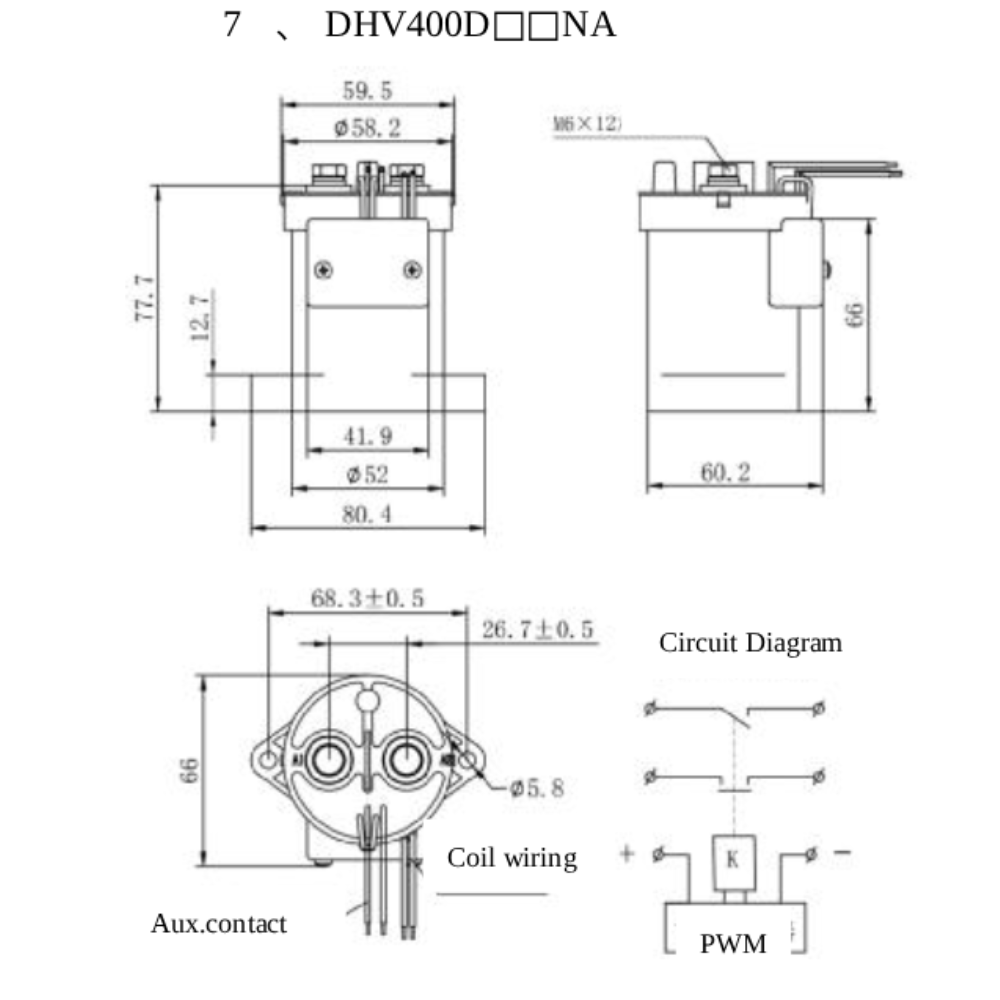
| Auxiliary contact | 1 normally open, 2 A at 24 V, minimum load 100 mA at 8 V |
| Mechanical life | 300,000 operations |
| Insulation | 100 MΩ or more at 500 V DC, dielectric strength 2200 V AC |
| Vibration and shock | 5 g from 10 Hz to 500 Hz, 20 g shock |
| Operating temperature | -40 °C to +85 °C |
| Mounting | Any orientation, continuous duty |
| Sealing | Gas sealed contact chamber |
| Weight | 0.65 kg |
| Documentation | Manufacturer datasheet in the Documents tab |
Features
- Non polarised contacts, so it interrupts current in either direction and cannot be fitted the wrong way round
- Integrated economiser, holding on 3 to 4 W rather than the 40 to 50 W it takes to close
- Sealed contact chamber, so the arc is contained and dust and damp stay out
- Auxiliary contact built in, giving the vehicle control unit a positive confirmation that the contactor actually closed
- Coil works anywhere from 9 V to 36 V, so the same part suits a 12 V or 24 V control system
- Mounts in any orientation, which matters in a crowded junction box
Compatibility
For the main positive or negative path of a high voltage pack up to 1000 V, and equally for charger, solar and storage switching. Pair it with a precharge resistor so the contactor is never asked to close onto a discharged DC link, and give it a 400 A fuse on the same run.
Budget for the heat. At a steady 400 A the contacts drop up to 160 mV, which is around 64 W inside a sealed box, so it wants air around it rather than being buried.
The auxiliary contact needs a minimum load of 100 mA at 8 V to stay reliable, so do not feed it straight into a high impedance logic input without a pull up that draws something.
In the box
- 1 x contactor
The coil connector, mounting hardware and busbars are not included.
Downloads
The manufacturer datasheet is in the Documents tab above, including the electrical life curves at different voltages, which are worth reading if the contactor will be opening under load rather than only switching a settled pack.